The Turing Test, proposed by Alan Turing in 1950, is a measure of a machine's ability to exhibit intelligent behavior indistinguishable from a human. A human judge engages in a text-based, blind conversation with both a human and a machine; the machine passes if the judge cannot reliably distinguish which is which.
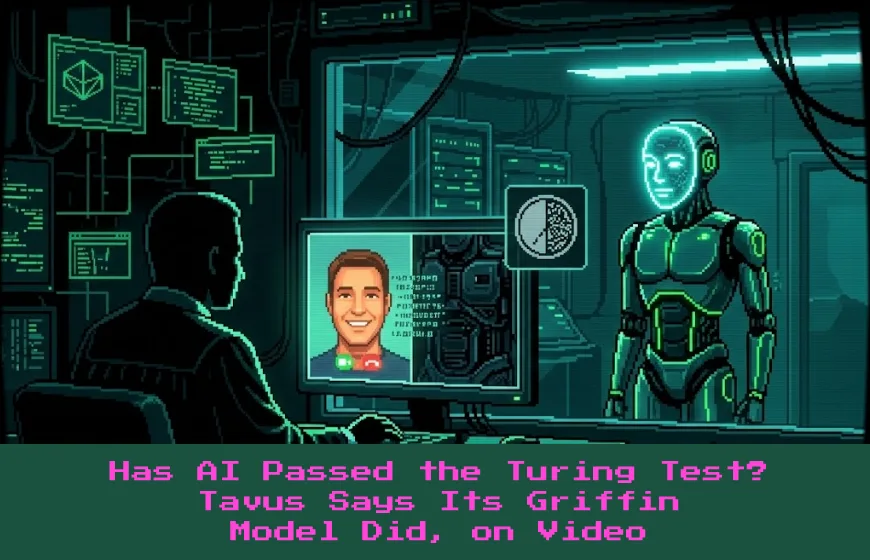
Has AI Passed the Turing Test? Tavus Says Its Griffin Model Did, on Video
Has AI officially passed the Turing test? Examine Tavus's claim that its Griffin video model fooled 48% of callers in a one-minute test.
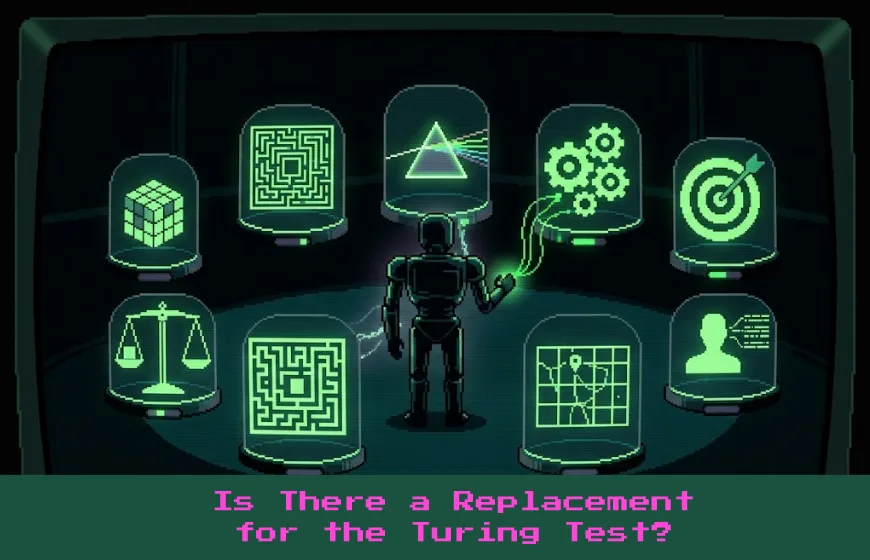
Is There a Replacement for the Turing Test?
Is the Turing test outdated? Discover modern replacement candidates like ARC-AGI, Winograd Schemas, and Suleyman's Modern Turing Test.
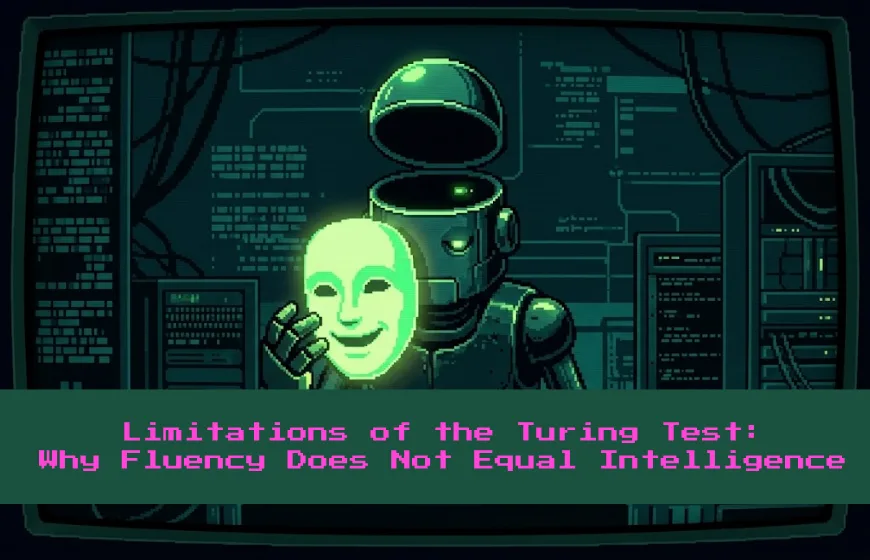
Limitations of the Turing Test: Why Fluency Does Not Equal Intelligence
Why does conversational fluency not equal machine intelligence? Explore the main limitations of the Turing Test and modern AI benchmarks.
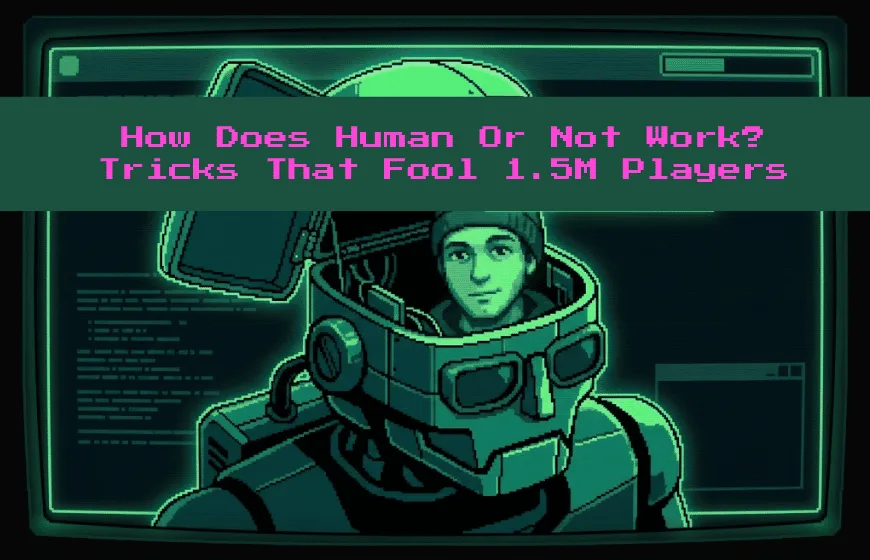
How Does Human Or Not Work? Tricks That Fool 1.5M Players
Wondering how does Human Or Not work? Discover how persona prompts trick 30% of players in 2-minute chats, and learn how to win today.
Could an Average Person Outsmart ChatGPT in a Turing Test
GPT-4.5 fooled Turing test judges 73% of the time—beating actual humans. Here is how AI uses typos and slang to trick us.
How to Spot a Bot and Trick AI in Live Matches
Want to know how to spot a bot in live matches? Learn how AI uses typos and fake delays, plus simple tricks to expose them.
Is the Turing Test a Fair Test of Machine Intelligence?
Is the Turing Test a fair measure of AI intelligence? We explore why passing as human isn't the same as genuine understanding
Why Is the Turing Test Important? Understanding the Idea That Changed Artificial Intelligence
Explore the history and impact of the Turing Test. Does passing the test mean a machine is intelligent, or are we just witnessing clever imitation?
How Persona Prompting Helps AI Pass the Turing Test
AI models like GPT-4.5 are now passing the Turing Test using persona prompting. Discover how AI mimics human behavior to fool even the most skeptical users.
What Happens If a Human Fails the Turing Test? The Surprising Reality Behind the Reverse Turing Test
What happens when a human fails the Turing test? Discover why communication styles, anxiety, and games like Human or Not cause people to be mistaken for bots.
Is the Turing Test Still Relevant Today in the Age of AI?
Is the Turing Test still relevant today? Explore why it remains important for understanding modern AI, conversation, and human-like communication.
The Turing Test: Explained through Human or Not Game
Explore the Turing Test concept through online AI powered
Before the Turing Test: The Man Who Cracked the Nazi Code
Before the Turing test, Alan Turing helped break Naval Enigma at Bletchley Park, reshaping World War II and laying foundations for modern computing.
Does GPT-4 Pass the Turing Test?
Does GPT-4 pass the Turing test? Real experiments show it fools people nearly half the time—and reveal why style matters more than intelligence.
The Turing Test: Can Machines Really Pass the Imitation Game?
The Turing Test asks whether machines can imitate human conversation. Learn how the imitation game works and why it still matters today.
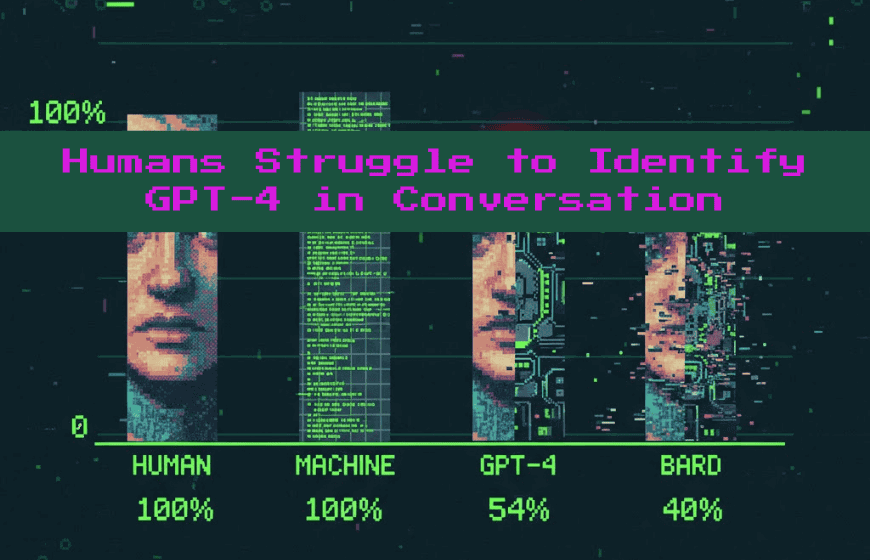
Humans Struggle to Identify GPT-4 in Conversation
Recent research shows people cannot distinguish GPT-4 from a human in a Turing test. Learn how LLMs are passing the imitation game and the risks of AI deception.
Language Patterns That Trick Most Players in the Turing Test Game Human or Not
Why language patterns that trick most players in the Turing test game Human or Not feel so human—and what that says about online authenticity.