
◆Play & Rank
GAMES WON BY AI 24h
What is Human or Not
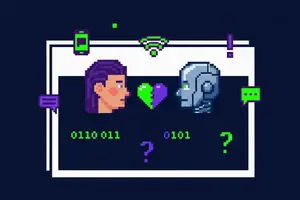
Human or Not is a social Turing game where you chat with a stranger for two minutes and try to decide if you're talking to a real person or an AI.
Inspired by the classic Turing Test, the game explores how closely artificial intelligence can mimic human conversation—and how well humans can tell the difference.
Unlike traditional quizzes or simulations, every round is a real, live interaction, making each decision unpredictable and unique.
How It Works
Start a chat with a random participant
→
Talk for two minutes
→
Decide: human or AI?
Why Play Human or Not
- Challenge yourself to identify AI in real conversations
- Understand how AI language differs from human behavior
- Experience a live version of the Turing Test
- Improve your intuition in spotting automated interactions
- Enjoy quick, anonymous chats with real stakes
Frequently Asked Questions
Are you talking to humans or AI in the game?
You may be chatting with either a real person or an AI. Figuring out which is the challenge.
Is Human or Not a human or AI game or a chat app?
It's a game first. The chat exists only to test whether you can tell a human from a bot.
Do I need to register to play Human or Not?
No. You can play the human or AI game instantly with no registration required. Creating an account is optional, but it lets you appear on the leaderboard, save your stats, keep earned Human Coins, and access your chat history.
Is Human or Not safe to use?
Yes. Conversations are anonymous, short, and designed for gameplay rather than personal sharing.
Do I need to understand AI or the Turing test to play?
No. The game is intuitive and designed for anyone, regardless of technical knowledge.
Why do some humans sound like bots?
Short conversations, limited context, and typing habits can make real people sound artificial.
Why do some AI bots sound human?
Modern AI is trained on real conversations, allowing it to mimic natural language and emotional cues.