Teacher vs Chatbot: What Students Gain, Lose, and Risk
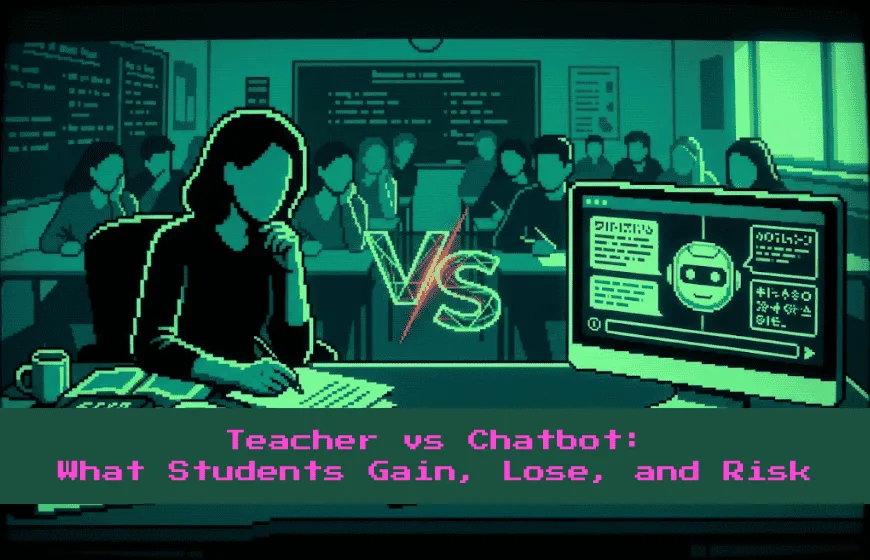
Students today sit in a different classroom than we did. A laptop stays open. A chatbot waits in another tab. And sometimes, it answers faster than a teacher can.
So the real question is simple. When it comes to learning, who wins: the teacher or the chatbot?
Many students feel excited about chatbots. Others feel unsure. Meanwhile, teachers often feel both curious and cautious. Let’s break this down clearly, especially if you are trying to understand how this shift affects reading, writing, and real classroom learning.
Quick Insights
- Chatbots provide fast answers and writing support for students.
- Teachers offer personal guidance, feedback, and emotional awareness.
- Overreliance on chatbots can weaken critical thinking skills.
- Balanced integration can enhance classroom learning.
- Responsible use and clear expectations protect student growth.
Why This Debate Even Started
The conversation began when chatbots became widely available. Students quickly started using them for writing assignments, brainstorming ideas, and answering questions.
In English class, for example, a student might ask a chatbot to write an essay draft. The tool responds instantly. No waiting. No red pen.
At first, many teachers felt blindsided. Some even became what people call “rejectionists.” They wanted chatbots completely out of the classroom. They feared students would stop thinking for themselves.
However, others saw something different. They saw a tool that could help students learn—if used carefully.
What a Teacher Brings That a Chatbot Cannot
A teacher does more than answer questions. A teacher reads a student’s face. A teacher notices when someone feels lost or confused.
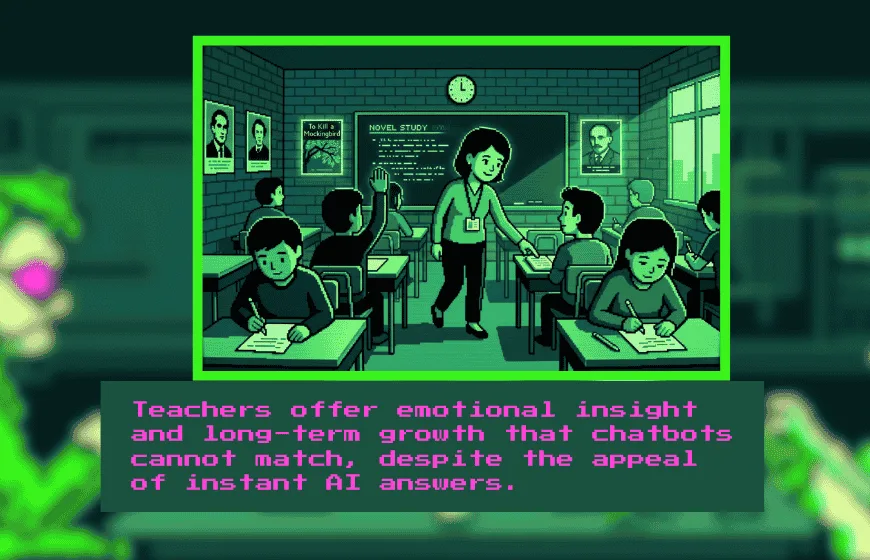
Emily, a high school English teacher in Chicago, shared her experience. She said students often wanted quick answers from chatbots. However, when she gave written feedback, she could respond to the student’s thinking, not just the final draft.
Teachers bring context. They understand the subject deeply and know how to guide young learners step by step.
Moreover, a teacher sees growth over time. A chatbot may generate text. Yet it does not watch a student improve every week.
What Chatbots Do Well in Class
Chatbots offer speed and availability. They answer questions at any hour. Students can use them at home without waiting for the next class.
For reading assignments, a chatbot can summarize chapters quickly. For writing tasks, it can suggest structure or grammar improvements.
In some cases, shy students feel more comfortable asking a chatbot questions. They feel less judged. Therefore, the tool can reduce fear of making mistakes.
Additionally, chatbots provide free support outside school hours. That access matters for students who need extra help.
However, speed does not equal deep learning.
The Risk of Writing Without Thinking
When students rely too heavily on chatbots, something important may slip away. Critical thinking requires effort.
If a student asks a chatbot to write a full essay and turns it in, the learning process stops. The student gets a finished product without practicing reasoning or organization.
Teachers often notice this pattern. They read a polished essay and feel something is missing. The student’s voice disappears.
Over time, students may lose confidence in their own ability to write. They may believe the chatbot always does it better.
That shift affects long-term development.
The Emotional Side: How Students Actually Feel
Many young students feel pressure. They want good grades. They want attention and approval.
When a chatbot produces strong writing quickly, it feels tempting. It feels safe.
However, some students later admit they feel uneasy. They know they did not truly learn the material.
In conversations, students often say they wanted help, not replacement. They wanted guidance while still doing the work themselves.
That difference matters.
Can Teachers and Chatbots Work Together?
The real future may not be teacher versus chatbot. It may be teacher with chatbot.
Some teachers now integrate chatbots into lessons. For example, they ask students to compare their own writing to chatbot-generated text. Then students analyze differences.
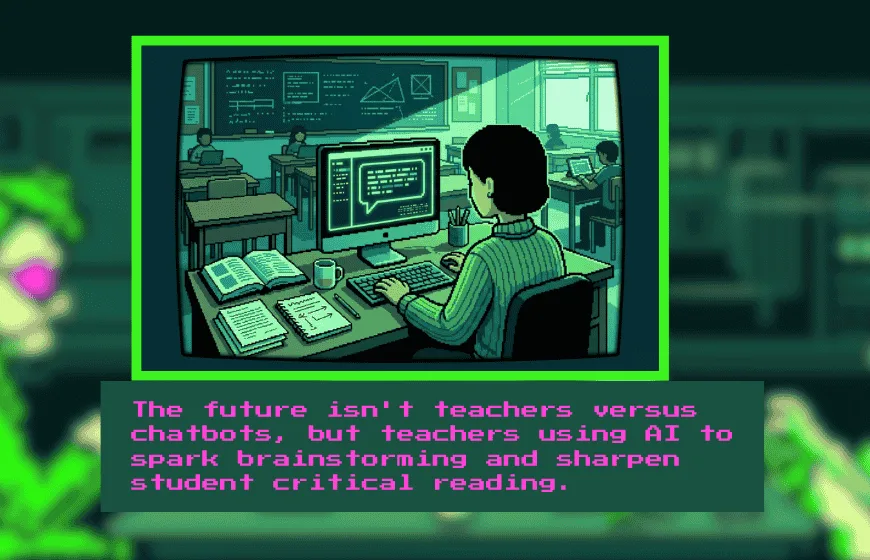
This method encourages critical reading. Students think about tone, structure, and clarity.
In other classrooms, teachers use chatbots as brainstorming partners. Students start ideas with the tool but must write the final draft independently.
This balanced approach reduces fear while preserving learning.
Common Misconceptions About Chatbots in Education
Some people believe chatbots will replace teachers entirely. That idea overlooks the human side of teaching.
A teacher builds relationships. A teacher notices emotional shifts. A chatbot does not understand a student’s life story or struggles.
Others believe chatbots automatically destroy education. That view ignores the potential benefits of guided use.
Technology in the classroom has always evolved. Calculators once caused similar panic. Eventually, schools learned how to integrate them wisely.
The key lies in structure and intention.
Also Read: The First AI Chatbot in History: ELIZA at MIT (1966)
The Real Challenge: Teaching Students How to Use the Tool
Instead of banning chatbots, educators may need to teach responsible use.
Students must learn when to ask for help and when to struggle productively. They should understand that writing builds thinking skills.
Teachers can design assignments that require personal reflection. For example, asking students to connect a novel to their own life makes copying harder.
Clear expectations also help. When students know what is allowed, they feel more secure.
Looking Toward the Future
The classroom continues to change. Technology will not disappear.
However, teaching remains deeply human. Students need encouragement, correction, and mentorship.
Chatbots may become common tools. But teachers will likely remain central figures in education.
The goal should not be fear or blind excitement. Instead, we need thoughtful integration.
Teacher versus chatbot sounds dramatic. In reality, the debate centers on balance.
Students benefit from tools that support learning. However, they also need real guidance and honest feedback.
If schools focus on teaching students how to think, not just what to write, both teachers and chatbots can contribute positively.
The future of education depends on how wisely we combine human teaching with new technology.
Education will keep evolving. The important question is not whether chatbots belong in class, but how we use them wisely.
FAQs
Are chatbots replacing teachers in schools?
No. Chatbots assist students with information and writing support, but teachers remain essential for guidance, mentorship, and evaluating learning progress.
What benefits do chatbots provide for students?
Chatbots offer instant explanations, writing assistance, grammar feedback, and help with brainstorming ideas outside classroom hours.
Can AI chatbots harm student learning?
Overreliance on chatbots may reduce critical thinking and writing practice if students submit AI-generated work without understanding the material.
How can teachers use chatbots responsibly in class?
Teachers can integrate chatbots as brainstorming tools, encourage students to critique AI responses, and require students to produce their own final work.
Why are students attracted to AI chatbots?
Students appreciate quick answers, private support for questions, and the ability to study anytime without waiting for classroom instruction.
What is the future of chatbots in education?
The future likely involves collaboration between teachers and AI tools, where technology supports learning while teachers guide critical thinking and personal development.