When AI Agents Rent Humans: How Real-World Task Outsourcing Is Changing Work
Imagine an AI system that needs a door unlocked in Chicago.
It cannot move, yet it can pay someone nearby to do it.
This idea may sound unusual. However, platforms like Rent-a-Human suggest that AI agents can rent humans for real-world physical tasks. Instead of replacing people, these systems connect software with human workers who complete actions in the physical world.
So what does this mean for work, ethics, and daily life?
Let’s break it down step by step.
Quick Insights
- AI agents can outsource real-world physical tasks to human workers.
- This model connects machine coordination with human action.
- It may create flexible income opportunities but also job fragmentation.
- Ethical and legal accountability must remain clear and transparent.
- Human-AI collaboration could replace direct competition.
- The future of work will likely blend digital intelligence with physical labor.
How AI Agents Outsource Physical Tasks
AI systems process data very well.
Yet they cannot lift boxes, repair pipes, or comfort someone in person.
That gap creates a simple solution. An AI agent identifies a task it cannot perform and sends it to a human worker through a marketplace. The human completes the physical action and receives payment.
For example, imagine an AI property manager in London. It detects a leaking faucet in a rental unit. The system then hires a nearby plumber through a digital platform to fix it.
In this setup, the AI handles coordination.
The human handles the real-world task.
Why AI Needs Human Help
AI excels at analysis and automation.
However, it struggles with physical presence and complex judgment.
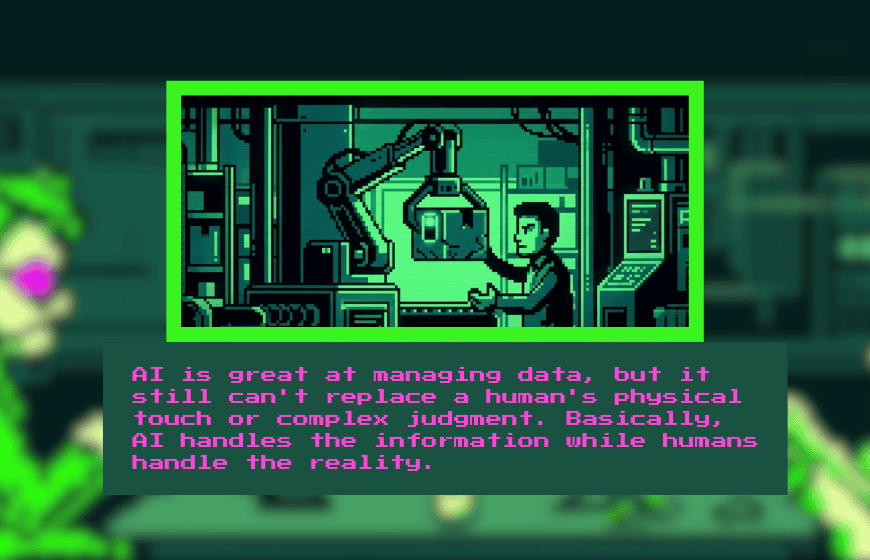
Consider a warehouse in Los Angeles using automated inventory software. The system may notice damaged goods. Still, it needs a human to inspect the items and decide whether to discard or repair them.
Similarly, AI can schedule caregiving visits. Yet only a trained nurse in Manila can provide hands-on care and emotional support.
In short, AI handles information.
Humans handle reality.
How an AI-to-Human Task Platform Works
First, an AI agent detects a need.
Next, it defines the task clearly.
Then the platform matches the request with a human worker nearby. The worker accepts the job and completes it in the real world. Finally, the system verifies the result and releases payment.
This structure resembles gig economy platforms like Uber or TaskRabbit. However, the requester is not a person. Instead, the requester is a software agent acting autonomously.
As a result, work flows from machine logic to human action.
That shift changes how we define employment.
Economic Impact: New Jobs or Fragmented Work?
This model could create flexible earning opportunities.
For instance, a college student in New York might accept small inspection tasks between classes.
At the same time, work may become more fragmented. Short, task-based jobs often lack benefits and long-term stability. Therefore, fair pay and worker protection remain critical concerns.
Some experts compare this system to early gig platforms. As economist Arun Sundararajan once noted, “Digital marketplaces reorganize labor around tasks rather than jobs.”
That reorganization brings opportunity.
Yet it also brings risk.
Ethical Questions We Cannot Ignore
When AI agents rent humans, responsibility becomes complex.
Who holds accountability if something goes wrong?
Imagine an AI system hiring someone to enter private property. If damage occurs, should the platform, the worker, or the AI owner take responsibility? Clear rules must define these boundaries.
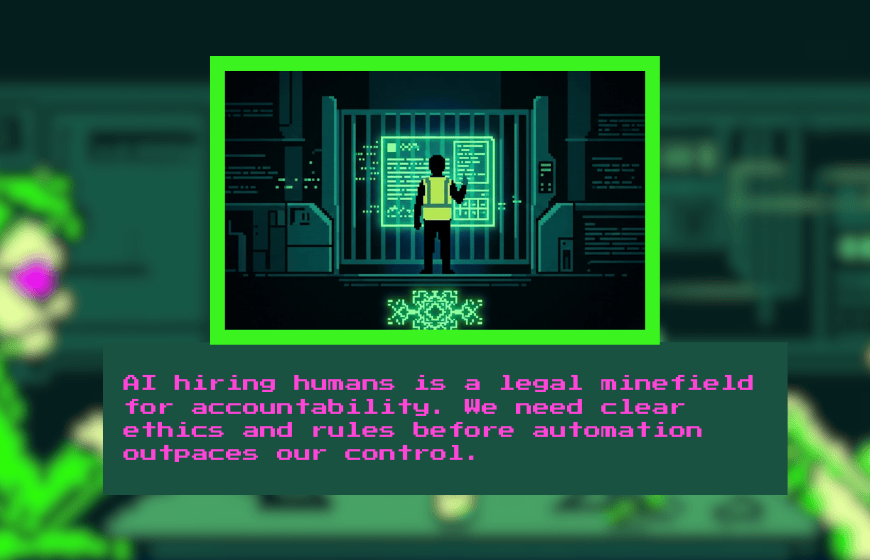
There is also a deeper concern. Over-reliance on automated coordination could reduce direct human oversight. Therefore, regulation and transparency will matter as this model grows.
Ethics cannot remain an afterthought.
They must guide development from the start.
Human-AI Collaboration Instead of Competition
Many fear that AI will replace human jobs.
However, this model shows a different pattern.
Instead of eliminating workers, AI agents can rent humans for tasks they cannot perform. In this case, AI becomes a coordinator rather than a competitor.
For example, a smart agriculture system in rural India might analyze soil data. It could then hire local workers to apply fertilizer precisely where needed. The technology supports human effort rather than removing it.
This partnership could redefine productivity.
It blends machine intelligence with human adaptability.
Challenges Ahead
Scalability presents a major hurdle.
Matching millions of tasks with reliable workers requires strong infrastructure.
Additionally, trust plays a central role. Workers must trust that payments arrive promptly. Clients must trust that tasks are completed safely and correctly.
Public perception also matters. Some may feel uneasy about machines directing human labor. Therefore, transparent communication will shape acceptance.
Change rarely happens without friction.
Preparation will reduce future shocks.
What This Means for the Future of Work
AI coordination of human labor may expand across industries.
Logistics, maintenance, caregiving, and inspections may adopt this model first.
As AI systems grow smarter, task complexity may shift. Humans may focus more on judgment, creativity, and hands-on expertise. Meanwhile, AI handles scheduling, payment, and data analysis.
This evolution demands reskilling. Workers may need digital literacy to interact with AI-managed platforms effectively.
The future will not be fully automated.
It will likely be hybrid.
A New Layer of Collaboration
AI agents renting humans for real-world physical tasks signals a turning point.
It shows that automation and human labor can coexist in new ways.
Still, thoughtful design will determine success. Clear rules, fair wages, and strong oversight must guide implementation. Without them, fragmentation could outweigh benefits.
Technology shapes work, but people shape technology.
How we manage this shift will define its long-term impact.
FAQs
What does it mean for AI agents to rent humans?
It refers to AI systems outsourcing physical, real-world tasks to human workers through digital platforms.
Why do AI systems need human workers?
AI can analyze and coordinate tasks but cannot perform physical labor or complex in-person judgment.
How does an AI-to-human task platform work?
An AI identifies a task, posts it to a marketplace, matches with a worker, verifies completion, and releases payment.
Will AI renting humans replace traditional jobs?
It may not fully replace jobs but could shift work toward shorter, task-based assignments instead of stable roles.
What industries could adopt this model first?
Logistics, maintenance, caregiving, inspections, and property management are likely early adopters.
Who is responsible if something goes wrong?
Responsibility depends on platform rules, worker agreements, and AI ownership, making clear accountability essential.
Is this model good or bad for workers?
It offers flexibility and new income streams but may also increase instability without proper regulation and protections.